
Cross-border logistics for lithium iron phosphate (LFP) energy storage products often presents subtle yet demanding operational complexities. Because individual countries and transport authorities classify lithium-ion systems as Class 9 Dangerous Goods, moving a high-capacity LFP battery pack through international transit points requires meticulous technical alignment. Issues such as misaligned Material Safety Data Sheets (MSDS), inadequate protective casing, or a lack of verifiable safety summaries frequently lead to customs delays, port impoundments, and unexpected supply chain disruptions. Addressing these logistical challenges requires more than standard production capabilities; it requires systemic compliance protocols built directly into the engineering cycle. As a global leading LFP battery pack supplier, Shenzhen Pknergy Energy Co., Ltd resolves these regulatory hurdles by integrating comprehensive safety certifications into its manufacturing workflow, offering clients reliable global delivery alongside high-performance hardware.
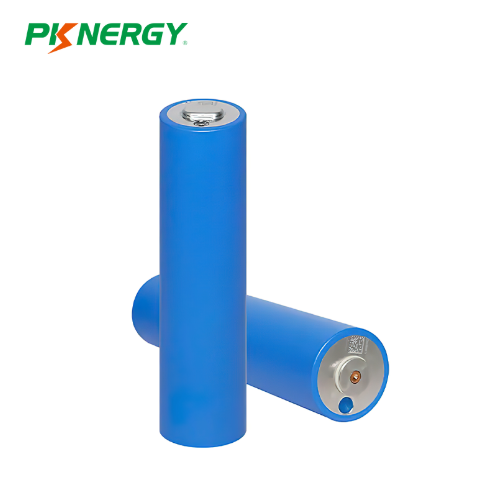
The Foundation of Safe Transit: UN38.3 Testing Protocols
To navigate the strict rules of maritime and aviation freight, compliance must begin at the basic cell and assembly levels. The baseline international benchmark for these products is the UN38.3 certification, detailed in Section 38.3 of Part III of the United Nations Manual of Tests and Criteria. This framework subjects the LFP battery pack to eight severe testing protocols designed to replicate the physical stressors of international distribution:
l T1 (Altitude Simulation): Simulates unpressurized aircraft cargo areas at altitudes up to 11,600 meters, ensuring structural seal integrity under low ambient atmospheric pressures.
l T2 (Thermal Test): Subjecting assemblies to rapid temperature changes from -40°C to 72°C, testing the thermal stability of internal links and casing materials.
l T3 (Vibration): Simulates the continuous mechanical shaking experienced during long-haul sea or road transport.
l T4 (Shock): Replicates sudden, sharp deceleration impacts that could occur during physical handling or transport transfers.
l T5 (External Short Circuit): Applies a direct electrical short-circuit condition at 55°C to confirm that the integrated Battery Management System (BMS) reacts fast enough to stop a thermal event.
l T6 (Impact/Crush): Tests individual cells against heavy physical crushing weights to ensure internal cell design prevents internal structural failure.
l T7 (Overcharge): Subjects a fully charged assembly to twice its recommended maximum charging current for 24 hours, evaluating the secondary safety shut-offs of the BMS.
l T8 (Forced Discharge): Forces a cell into an over-discharge state to test its resilience against polarity reversal.
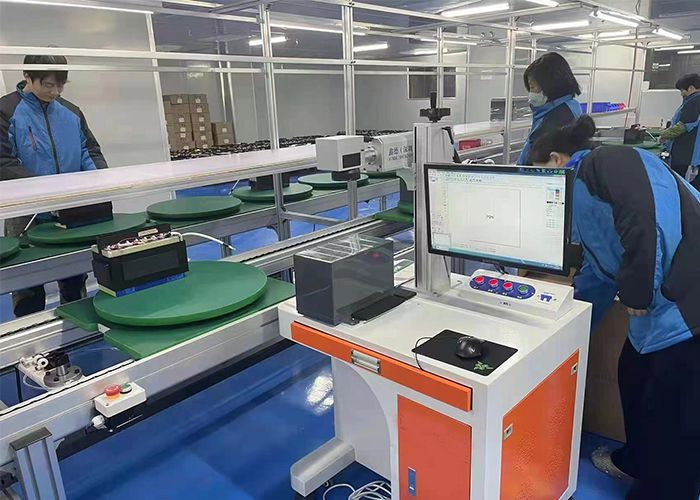
To successfully pass, the tested modules must show zero leakage, zero disassembly, zero rupture, and zero fire, while maintaining stable post-test voltage ratios. Shenzhen Pknergy Energy Co., Ltd conducts this complete battery testing regime within laboratories accredited by CNAS (China National Accreditation Service for Conformity Assessment), providing reliable verification for every custom configuration.
Strategic Value Beyond Certification
Securing a UN38.3 Test Summary report introduces clear, practical benefits that extend well beyond a standard paperwork checkbox. For instance, international freight forwarders working under the International Maritime Dangerous Goods (IMDG) Code or the International Air Transport Association Dangerous Goods Regulations (IATA DGR) require certified documentation prior to granting container allocations or loading manifests. Without a verified test summary, a custom LFP battery pack cannot qualify for specific shipping provisions, such as Special Provision 188 (SP188) exemptions for smaller watt-hour systems, nor can it secure standard hazardous cargo booking approval.
Commercial enterprises in North America, the European Union, and Australia routinely use this standard as an absolute baseline requirement when vetting overseas manufacturing partners. Suppliers lacking validated testing records face immediate exclusion during initial procurement reviews. Furthermore, utilizing pre-qualified packaging methodologies—such as UN-certified outer fiberboard boxes and specialized moisture-proof, anti-static shielding bags—minimizes the risk of costly secondary repacking fees at the port of origin or port of discharge, mitigating potential container demurrage charges.
Integrated Logistical Compliance Services
To streamline this process, Shenzhen Pknergy Energy Co., Ltd provides an integrated logistical documentation package with every outbound shipment. This structured compliance portfolio contains the specific UN38.3 Test Summary sheet, a fully updated multi-language MSDS, professional Air/Sea Transport Conditions Identification Reports issued by authorized third-party institutes, and official Certificates of Origin. This thorough documentation ensures that cross-border transit teams can easily process filings with local customs agents.
Beyond standard paperwork, the company applies advanced packaging design principles tailored directly to the specific watt-hour (Wh) ratings and structural mass of each LFP battery pack configuration. Heavy industrial or commercial battery packs receive reinforced, custom-molded interior support blocks to prevent physical movement within the UN-marked outer shipping crates. This careful preparation significantly reduces mechanical strain during shipping maneuvers. Backed by years of international distribution experience, Pknergy routinely processes dangerous goods declarations for key logistics hubs across North America, the European Union, the Asia-Pacific region, and Southeast Asia. This deep operational experience allows the company to adjust to the specific, localized inspection practices of different steamship lines and terminal operators, ensuring consistent transit timelines.
Ultimately, regulatory compliance serves as a foundational pillar of modern supply chain predictability. By combining advanced engineering with meticulous certification adherence, Pknergy helps clients avoid the risks of transit rejections and delayed project schedules. Choosing a global leading LFP battery pack supplier that controls the entire regulatory compliance process from early assembly through final port clearance allows international buyers to focus their resources on local installation and market growth, knowing their energy storage assets will arrive safe and compliant.
For more information regarding certified energy storage options and international technical documentation, please visit the official company platform at https://www.pknergy.com/.
Post time: Jul-08-2026