
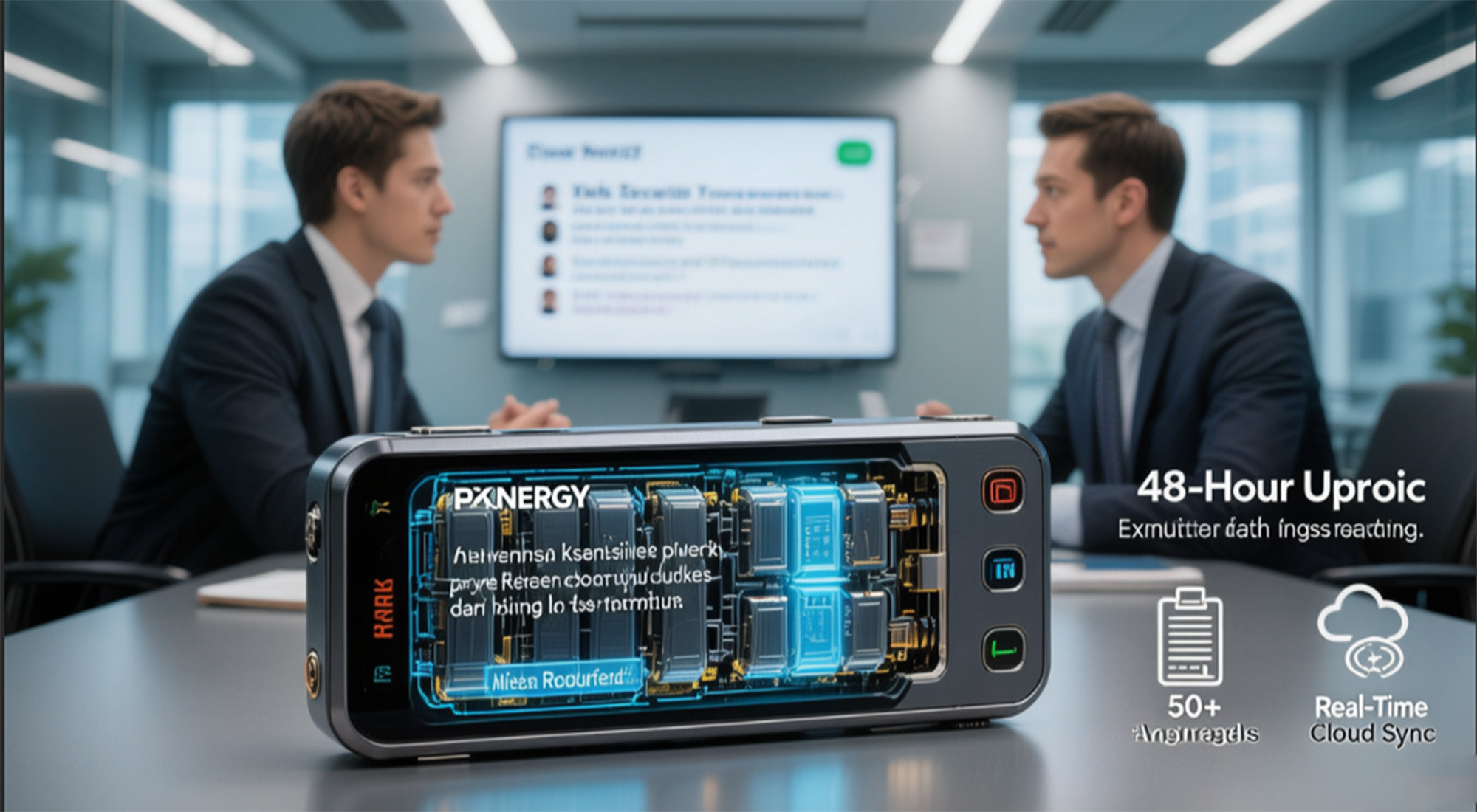
Lithium Battery Applications in AI Translators
Enabling Real-Time Communication Anywhere with Reliable Power Solutions
Industry Background
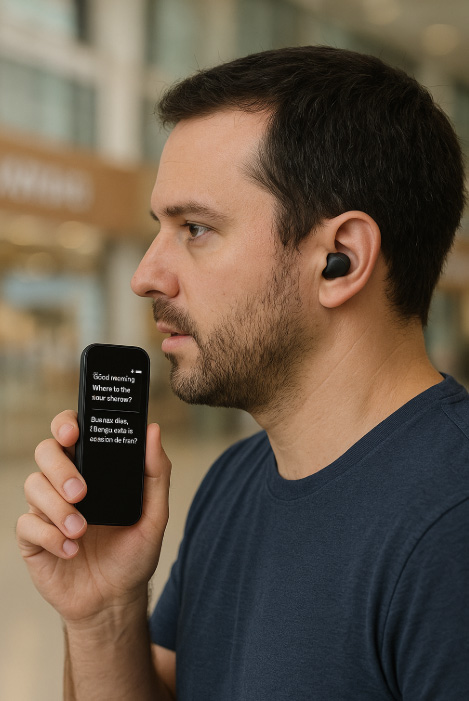
AI-powered translators are transforming global communication by enabling real-time, two-way language translation in compact handheld or wearable devices. These products rely heavily on advanced processors, wireless connectivity, microphones, speakers, and displays, all of which demand stable and efficient power from the battery system.
With globalization accelerating and international travel rebounding, AI translators are increasingly used in business, tourism, education, and government services. Modern AI translators integrate cloud computing and edge AI, requiring continuous data processing and connectivity. This evolution has significantly increased power consumption compared to earlier electronic dictionaries.
Power Demands of AI Translation Devices
AI translators typically operate for long sessions, often several hours at a time. Continuous speech recognition, data transmission, and audio playback place sustained load on the battery.
In addition, peak currents occur during wireless transmission and processor-intensive translation tasks. Batteries must therefore provide both sufficient capacity and stable discharge performance to ensure smooth operation.
Why Lithium Batteries Are Essential
Lithium-ion and lithium polymer batteries are the preferred power source for AI translators due to their high energy density and reliable performance. These batteries allow manufacturers to design slim, portable products without sacrificing runtime.
Stable voltage output also ensures consistent processor performance, which directly affects translation accuracy and response speed. Compared with traditional battery technologies, lithium solutions offer a clear advantage in modern AI devices.
Key Battery Requirements
- Stable voltage output to avoid system resets or throttling
- Low self-discharge for devices used intermittently
- Reliable protection circuits for safety during charge and discharge
- Compact form factor to support slim product designs
Meeting these requirements is critical for maintaining both device reliability and user safety in daily operation.
Charging and Portability Considerations
Most AI translators support USB charging, and users expect predictable charging times and minimal heat generation. A properly matched lithium battery solution improves charging efficiency and extends overall battery lifespan.
This not only enhances the end-user experience but also reduces after-sales issues for device manufacturers.
PKNERGY’s Role in AI Translator Battery Solutions
PKNERGY provides customized lithium battery packs tailored specifically to AI translation devices. We support various form factors and capacities, integrating protection features that ensure safety, reliability, and long service life.
Our engineering team works closely with customers to match battery performance with real-world usage scenarios, whether for handheld translators, wearable devices, or next-generation AI communication products.
Learn more about our
Custom Lithium Polymer Battery
and
Custom LiFePO4 Battery
solutions.
Conclusion
AI translators are becoming essential tools for global communication, and their performance depends heavily on battery reliability. Choosing the right lithium battery solution enables longer usage time, stable operation, and a better overall user experience.
PKNERGY remains a trusted partner for manufacturers seeking dependable battery solutions for next-generation AI devices.
Frequently Asked Questions
What type of battery is best for AI translators?
Lithium-ion and lithium polymer batteries are most suitable due to their high energy density, stable voltage output, and compact size.
Can PKNERGY customize battery size and capacity?
Yes. PKNERGY specializes in custom battery packs tailored to specific device dimensions, power consumption, and application requirements.
Do AI translator batteries require special safety protection?
Absolutely. Protection circuits are essential to prevent overcharge, over-discharge, short circuit, and overheating during operation.
Contact Cassie — PKNERGY
Looking for a reliable battery solution for AI translators or other smart devices?
Contact Cassie for professional support and customized lithium battery solutions.
- Email: sale4@pknergy.com
- Phone / WhatsApp: +86 13974604556
Post time: Dec-16-2025