
Smart Water Meter Battery Solution — Engineering Long-Life Power for IoT Utilities
How PKNERGY designs 10–15 year lithium battery systems for NB-IoT, LoRaWAN and RF-enabled smart water meters.
Industry Background: Why Smart Meters Need High-Reliability Batteries
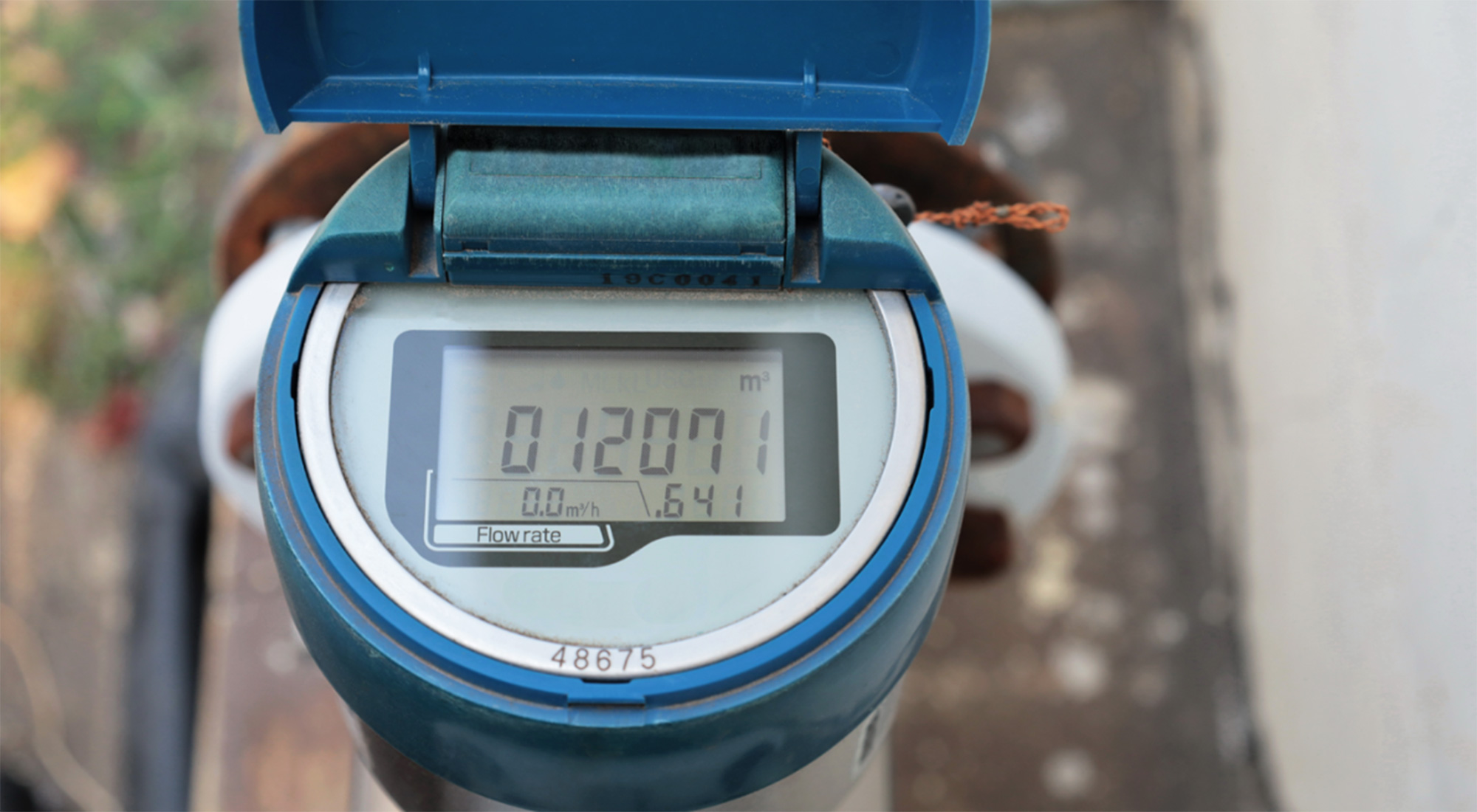
Smart water meters are the foundation of modern utility digitalization. They replace manual reading with IoT-enabled
automatic measurement, requiring battery systems capable of 8–15 years of independent operation,
even in underground, waterproof, or high-humidity environments. :contentReference[oaicite:1]{index=1}
These batteries support NB-IoT / LoRaWAN communications, leak detection, valve control, hourly/daily reporting and
emergency alerts. Every battery failure results in field labor and operational interruption, making
energy reliability mission-critical.
Pain Points for Water Meter Manufacturers & Utilities
- 10–15 Year Lifetime Requirement
Meters must operate with extremely low self-discharge and minimal capacity fade. :contentReference[oaicite:2]{index=2}
- High Pulse Current for NB-IoT / 4G
Although standby current is only microamps, uplink communication demands 0.5–2 A pulse current.
- Harsh Environmental Conditions
Underground pits, pipe vibration, water ingress, humidity, heat/cold cycles all challenge battery stability.
- Strict Safety & Compliance
UN38.3, IEC62133, long-term temperature cycling, moisture resistance and vibration testing are required.
- Space Limitations in Meter Housing
Batteries must be engineered to precise dimensions and mounting structures to fit compact housings.
PKNERGY Smart Water Meter Battery System Value
- 10–15 Years Design Life
Ultra-low self-discharge chemistry + high structural stability. :contentReference[oaicite:3]{index=3}
- High Pulse Capability
Hybrid primary lithium + supercapacitor, LiFePO₄ pulse-enhanced packs, compact NMC solutions.
- Custom Battery Pack Engineering
18650, LiFePO₄ modules, welded tabs, moisture-resistant housings, custom JST/Molex harnesses.
- Environmental Hardening
Waterproof sealing, corrosion-resistant terminals, conformal coating and reinforced welds.
- Stable Energy Storage for Periodic Data Uplink
Batteries are engineered to support multi-year reporting intervals with predictable Wh consumption.
Technical Insights for Smart Water Meter Batteries
1. Chemistry Selection
- LiFePO₄ — long cycle life, high thermal stability
- NMC — high energy density for compact designs
- Lithium + Supercapacitor Hybrid — superior pulse discharge capability
2. Low-Power System Co-Design
Ultra-low µA standby current, firmware-level sleep optimization, moisture-resistant PCB design. :contentReference[oaicite:4]{index=4}
3. Mechanical Battery Packaging
- Spot-welded nickel tabs
- Vibration-resistant joints
- Waterproof potting & sealing
- Compact JST/Molex connectors
4. Reliability Validation
- 10-year lifecycle simulation
- Pulse discharge cycling
- Temperature shock & humidity testing
- Leak-proof and vibration testing
Application Scenarios
PKNERGY battery systems are widely used in: :contentReference[oaicite:5]{index=5}
- Smart water networks
- Smart gas or heat meters
- Underground telemetry systems
- Remote valve-control meters
- Industrial water monitoring
- IoT sensor nodes with multi-year lifecycle
Smart Water Meter Battery FAQ
1. What determines the 10–15 year battery life of a smart water meter?
Chemistry stability, low self-discharge, pulse performance, firmware power management, and environmental sealing all
determine real-world lifespan.
2. Why do NB-IoT or 4G modules require such high pulse current?
During network attach and data uplink, RF power amplifiers briefly demand 0.5–2 A, requiring batteries that can supply
strong current without voltage collapse.
3. Can this battery system be used for smart gas or heat meters?
Yes. The same long-life, low-pow
Post time: Dec-09-2025