Client Cases: INR18650 4400mAh 3.7V Battery Pack for Medical Monitoring Instruments

Customer Case Study
Medical / Healthcare
Stable Runtime
Pack: INR18650 · 3.7V · 4400mAh · 3A

3.7V 4400mAh INR18650 Battery Pack for Medical Monitoring Instruments

A medical device customer needed a compact battery pack to power a monitoring instrument with
stable voltage, predictable runtime, and safe charging/discharging limits.
PKNERGY engineered an INR18650-based 3.7V 4400mAh pack with controlled internal resistance and
production-ready assembly to support reliable operation in clinical environments.

Nominal Voltage
3.7V
Capacity
4400mAh
Max Continuous Discharge
3A
Charging Current (Max)
2A
Project highlight: The key focus was stable power delivery for continuous monitoring,
plus consistent pack assembly and clear operating thresholds to reduce field issues.
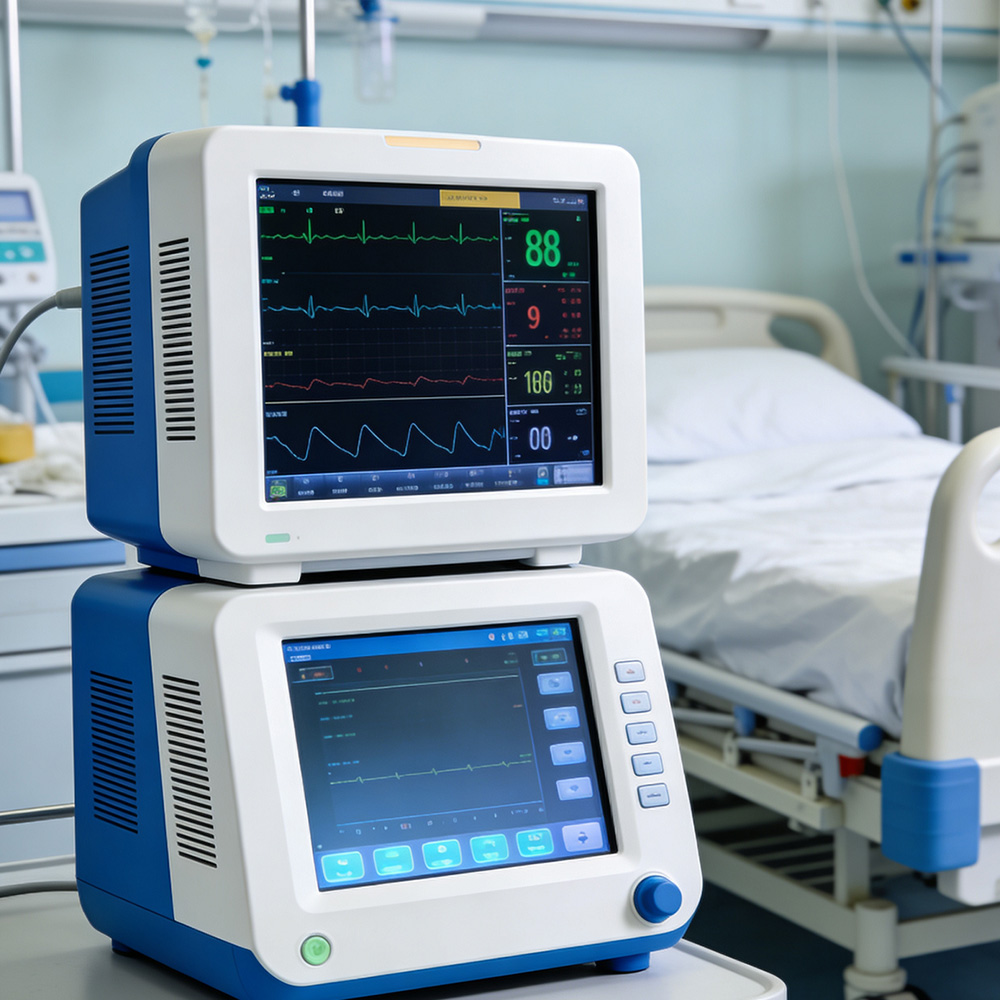
Application Photo
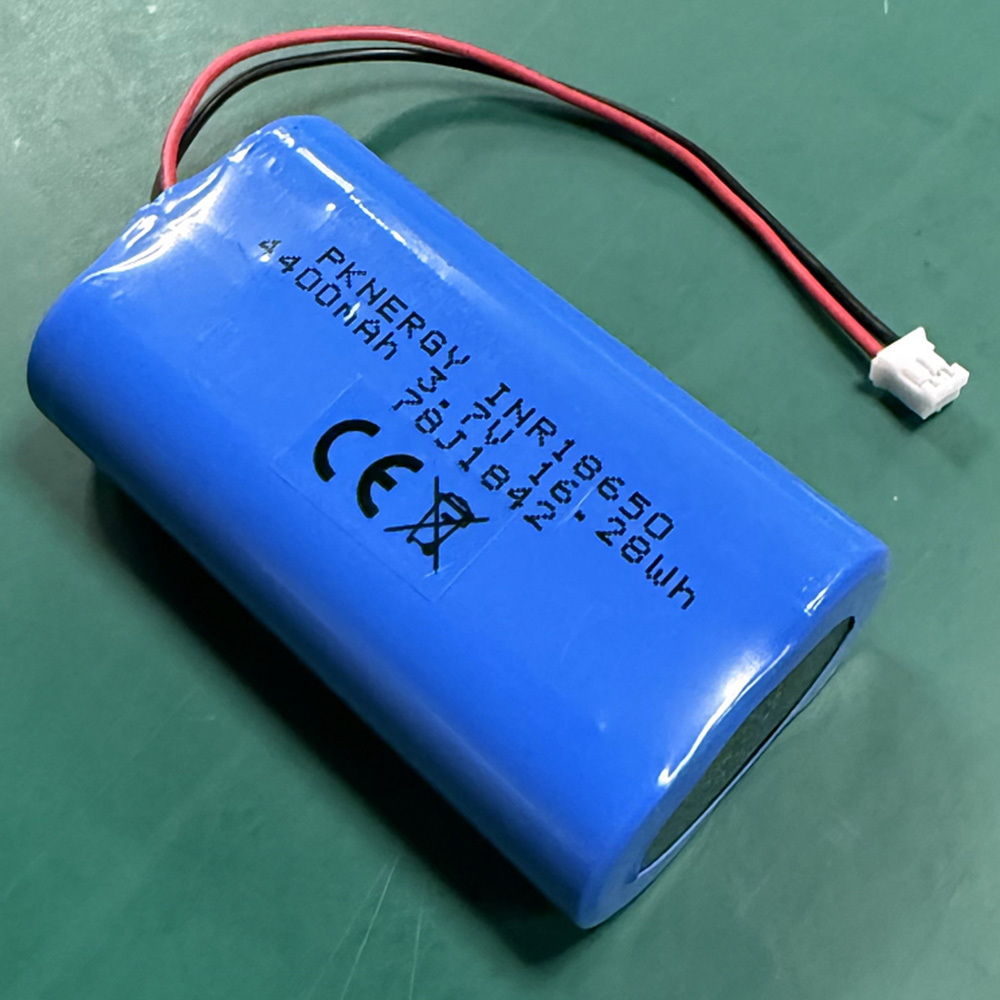
Battery Photo (Front)
At a glance
Stable runtime
Medical-grade consistency
Clear cut-off limits
Compact size

Introducing the Customer (Anonymous) & Their Journey

The end-customer is a medical device manufacturer developing compact monitoring instruments for clinics and care facilities.
Due to confidentiality, we do not disclose the company name. For this case study, the project representative is described as a realistic anonymous profile.

Project Contact
Emily Carter
Hardware Engineer, Patient Monitoring
Country / Region
United Kingdom (Healthcare OEM)
Clinical stability requirements
Typical Use Case
Monitoring instruments used in wards, transport carts, and bedside scenarios where stable runtime is critical.
Operating Temperature
Discharge: -20°C to 60°C (typical indoor 10°C to 35°C)
Charge: 10°C to 35°C (recommended)
Customer’s goal: ensure monitoring devices stay powered with predictable runtime and safe control limits,
while keeping the pack compact and easy to integrate into production.
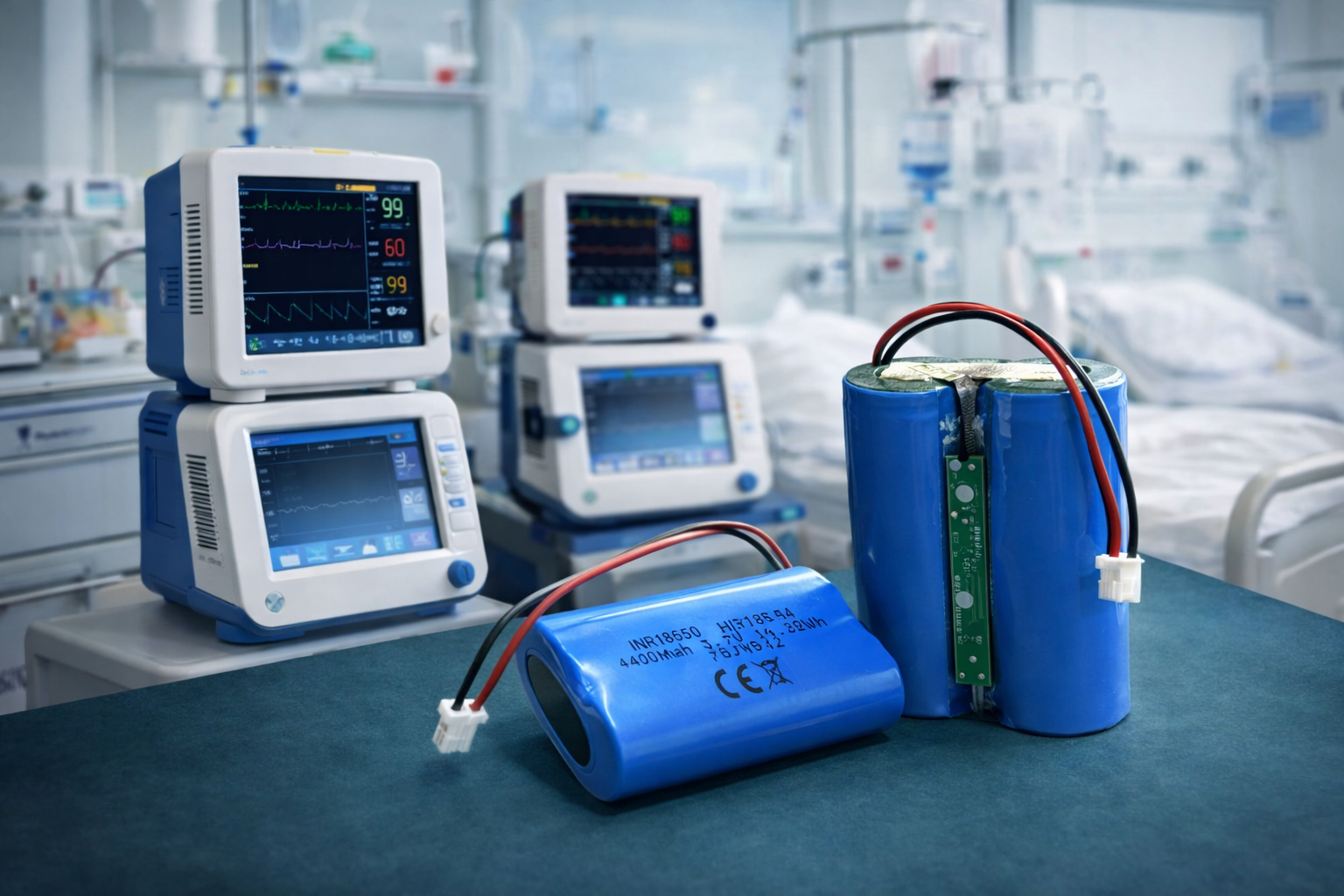
Customer environment / device context (optional)

Challenges (What the customer needed to solve)

1) Stable voltage for continuous monitoring
Monitoring equipment requires steady power to avoid interruptions, restarts, or inaccurate readings caused by unstable supply.
2) Safe operating window & predictable control
The customer needed clear cut-off thresholds and consistent charge/discharge behavior for reliable field operation.
3) Compact integration & production consistency
The pack must fit tight internal space, with stable connector/harness design and repeatable assembly quality for mass production.
Engineering note
For medical instruments, performance is not only about capacity—it’s also about consistency:
stable voltage behavior, clean assembly, and predictable cut-off limits help reduce field risk.

Solution (How PKNERGY engineered it)

PKNERGY delivered a compact INR18650 battery pack built for monitoring instruments.
We focused on stable output, safe thresholds, and production consistency—so the customer could integrate smoothly and
maintain predictable runtime across batches.

Stable Power Delivery
Controlled IR (≤ 80mΩ) and consistent assembly help reduce unexpected voltage drop during operation.
Defined Safe Limits
Charging cut-off 4.2V and discharge cut-off 3.0V support predictable control behavior.
Fast & Controlled Charging
Up to 2A constant charging current to balance turnaround time and thermal stability.
Integration-Friendly Design
Compact footprint and connector/harness layout suitable for tight enclosure installation.

Technical Specifications

Parameter Value
Model INR18650
Nominal Voltage 3.7V
Nominal Capacity 4400mAh
Size 19.5 × 37.5 × 68.5 mm
Internal Resistance ≤ 80mΩ
Charging Cut-off Voltage 4.2V
Discharge Cut-off Voltage 3.0V
Maximum Constant Charging Current 2A
Maximum Continuous Discharging Current 3A
Cycle Life ≥ 300 cycles (80% DOD)
Weight 118g
Temperature Guidance (Project Reference)
Charge Temperature: 0–10°C (0.2C) · 10–35°C (2A) · 35–45°C (0.2C)
Discharge Temperature: -20–0°C (0.2C) · 0–10°C (0.5C) · 10–35°C (3A) · 35–60°C (0.5C)

Results & Customer Feedback

  • Stable device operation: predictable voltage and runtime for monitoring workflows.
  • Cleaner integration: compact size and connector layout simplified enclosure installation.
  • Reduced field risk: defined cut-off limits improved control behavior and safety margins.
  • Production consistency: repeatable assembly and QC checkpoints supported batch supply.
“We needed a compact battery pack with stable runtime for our monitoring instrument.
PKNERGY provided a solution that integrated smoothly, delivered consistent performance, and gave us confidence in batch repeatability.”
— Emily Carter, Hardware Engineer (UK) (Anonymous profile)

Photo Gallery (Optional)

Replace each image URL with your WordPress Media Library link. Duplicate or remove cards freely.
Caption: pack overview (label & cable).
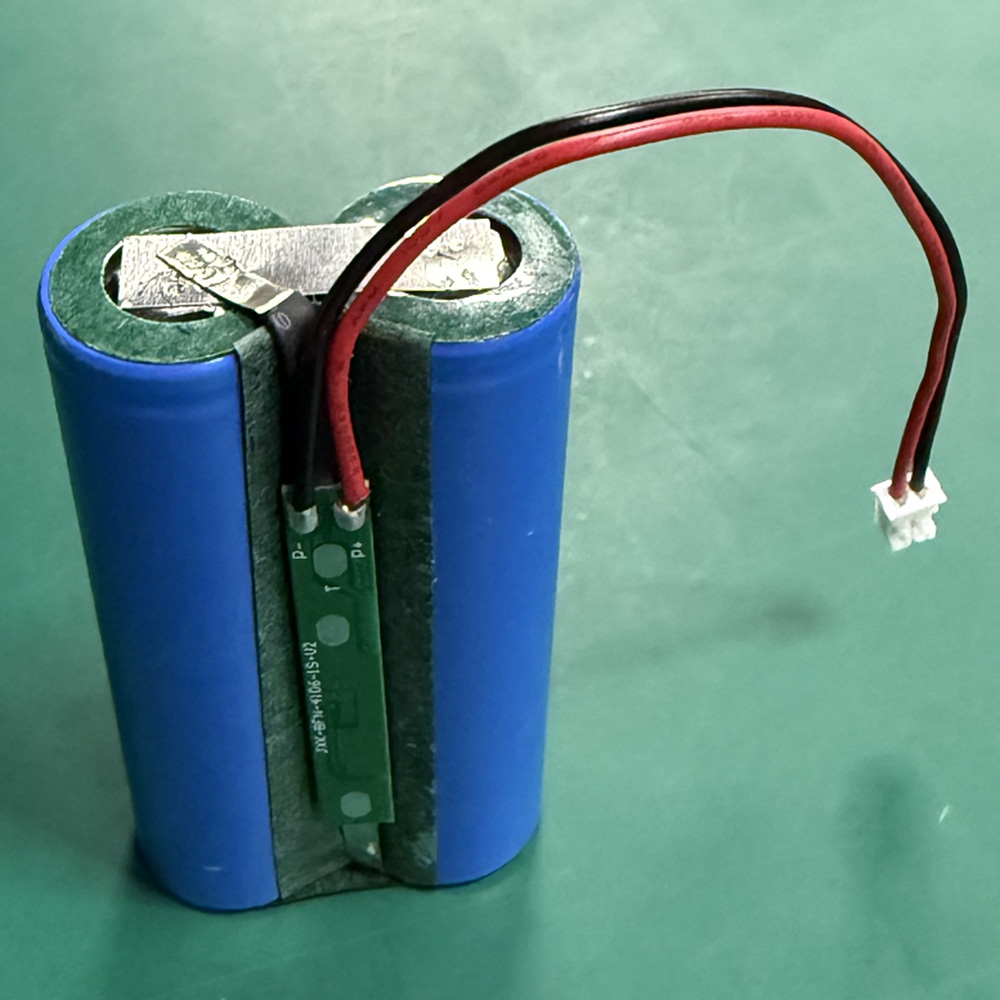
Caption: PCM / protection board detail.
Caption: device application / monitor setup.

FAQ — Common Questions

Q1: What matters most for batteries in monitoring instruments?
Key factors include stable voltage behavior, predictable runtime, defined cut-off limits, and consistent assembly quality.
These reduce unexpected restarts and improve reliability in real clinical use.
Q2: Why do cut-off voltages matter (4.2V / 3.0V)?
The cut-off window helps the device maintain safe operation and predictable behavior.
It prevents overcharge/over-discharge conditions that can reduce cell life and increase risk.
Q3: What info do you need to customize a medical device battery pack?
Please share voltage, average/peak current, desired runtime, space constraints, connector type, charging method,
and device installation photos. If certifications are required, tell us your target market and compliance scope.
Q4: Can you support stable batch supply for production?
Yes. We can align QC criteria to your risk points (IR control, capacity checks, threshold validation, harness consistency)
to ensure repeatable performance across batches.

Need a custom battery for medical devices?
Share your voltage, current, runtime, size limits, and connector photos.
Our engineers will propose a production-ready battery solution.

Post time: Jan-06-2026

Customize samples immediately