
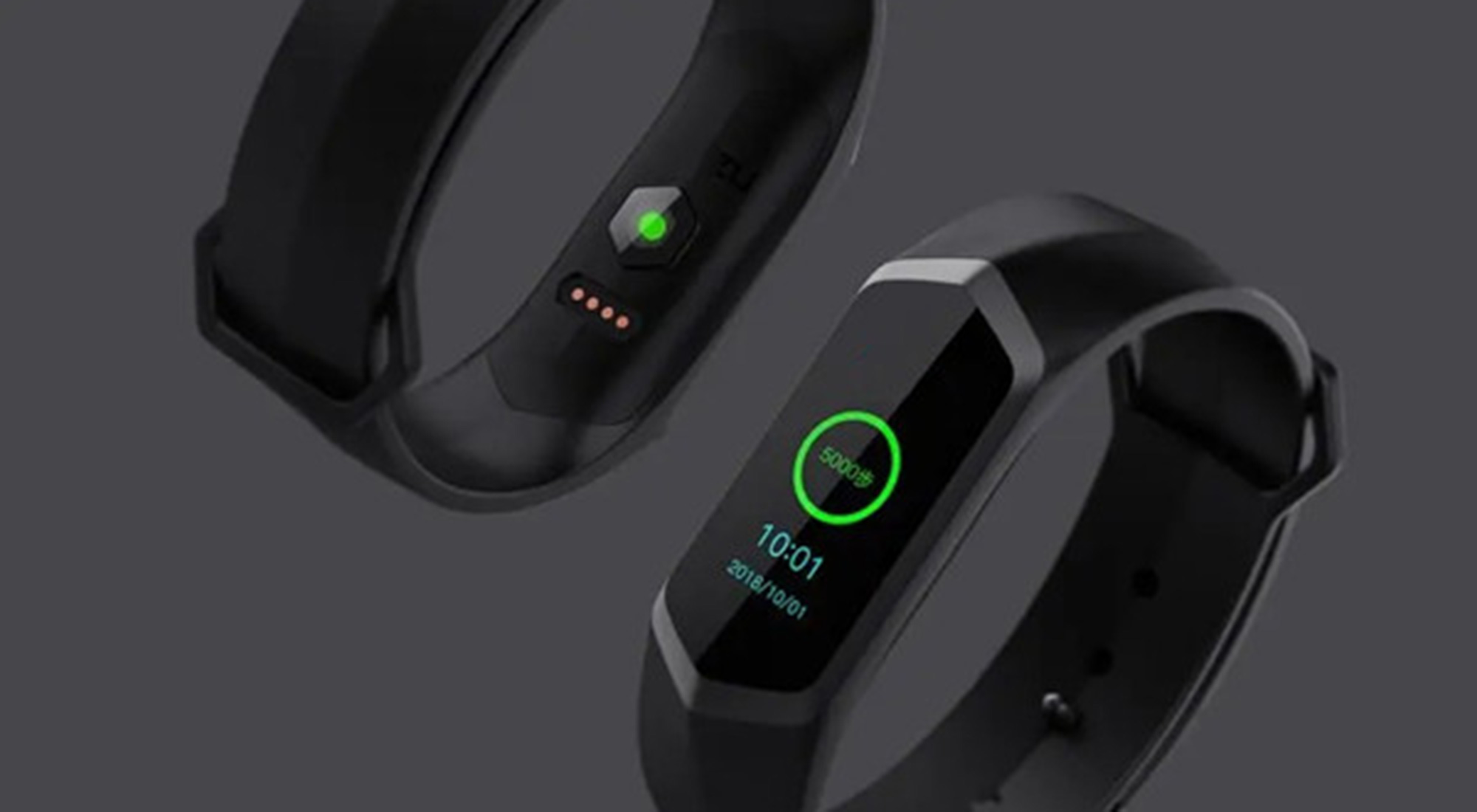
Case Study: Choosing the Right Battery for a Smart Wristband
When we first launched our smart wristband project, our objectives were clear:
safety, durability, and long lifespan.
Naturally, our engineering team initially selected LFP (LiFePO4) batteries,
known for their high safety and long cycle life.
The goal was ambitious — a wearable device that could last up to 10 years.
But as the project progressed, one key question emerged:
Would the battery choice compromise user experience?
The First Discussion: A Different Perspective
We brought this idea to PKNERGY.
“Our wristband must last a decade, so the battery has to be LFP,” we said.
However, PKNERGY’s engineers offered a different perspective:
LFP batteries are very safe, but their low energy density becomes a limitation in compact wearable devices.
To achieve acceptable runtime, the wristband would have to be thicker and heavier —
and that directly affects user comfort.
Analysis: Thinking from the User’s Point of View
The PKNERGY engineering team conducted a detailed comparison from a real user perspective,
not just a specification sheet.
- LFP (LiFePO4): Extremely safe, over 2000 cycles, but low energy density.
In a wristband, this translates to only 1–2 days of runtime and a thicker design. - LiPo (Lithium Polymer): Higher energy density, lightweight, customizable shapes,
typically 500–800 cycles — equivalent to 3–5 years of real-world consumer usage.
Then came the key question:
“Do users care more about a battery that lasts 10 years,
or about a slim, comfortable device they can wear all day?”
The answer was obvious.
The Solution: From LFP to LiPo
With PKNERGY’s guidance, the project shifted to a customized
lithium polymer (LiPo) battery
solution designed specifically for wearable devices.
- Thickness: Only 3.5mm, perfectly fitting slim wristband design
- Capacity: 150mAh, supporting up to 7 days standby per charge
- Safety: Built-in PCM/BMS protection
- Customization: Flexible shape and connector options
Once the prototype was completed, the results exceeded expectations.
The wristband was nearly 20% lighter than originally estimated
and significantly more comfortable to wear.
User Feedback: Real Difference
During internal testing, one user shared:
“I hardly feel like I’m wearing anything,
but the battery lasts the whole week.
This is how a smart wristband should feel.”
That feedback confirmed the decision.
Choosing the right battery is not just about chemistry —
it’s about the experience delivered to the end user.
Final Outcome
The project ultimately adopted PKNERGY’s customized LiPo battery solution,
achieving an ideal balance between design, runtime, and safety.
As a professional
lithium battery manufacturer,
PKNERGY provided not only the battery,
but also engineering insight that helped the client make the right decision.
If you are developing smart wristbands, smartwatches, or other wearable devices,
a properly selected
custom lithium battery
can significantly enhance product success.
Feel free to contact PKNERGY
to discuss your wearable battery requirements.
Contact Miah — PKNERGY
- Contact: Miah
- Email: sale@pknergy.com
PKNERGY — Delivering Battery Solutions with User Experience in Mind.
Post time: Jan-16-2026